Can Shockwave Therapy Help Tendon Injuries Heal Faster?
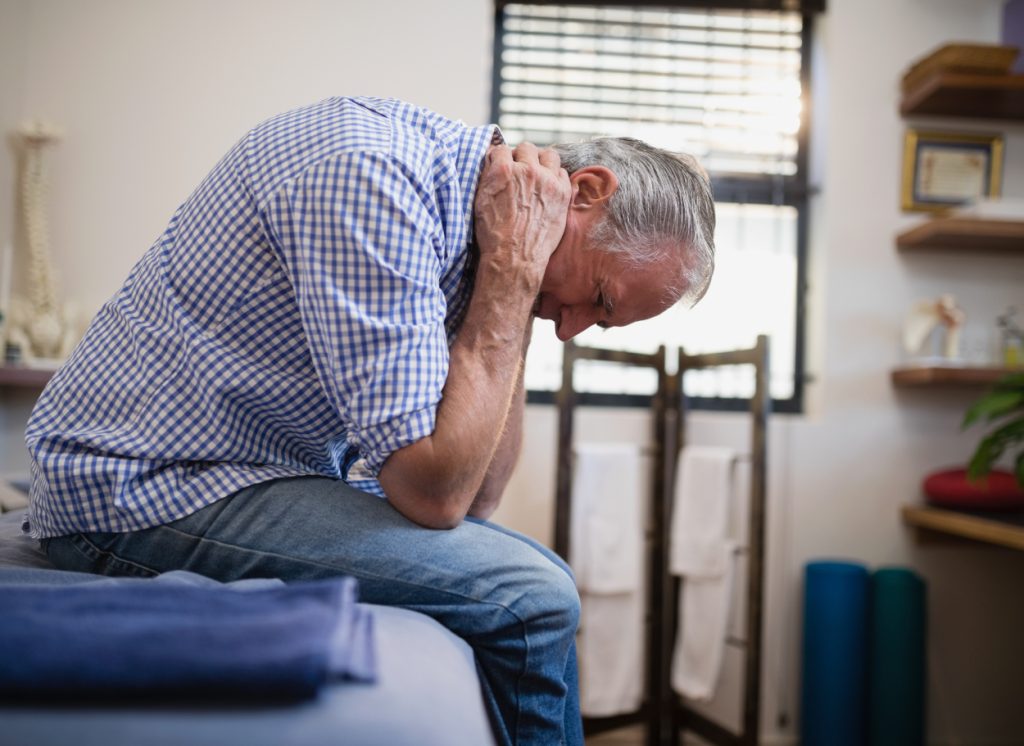
Tendon injuries have a way of testing patience. Muscle strains often settle with a few good weeks of smart loading and rest. Tendons tend to bargain harder. They can ache for months, flare with a simple return to sport, and linger just enough to make people question every step, serve, lift, or climb. That is why Shockwave Therapy gets so much attention. Patients want to know whether it can actually speed healing, or whether it is simply another add-on in an already crowded rehab plan.
The honest answer is that shockwave can help certain tendon injuries, and in the right setting it can improve pain and function meaningfully. But it is not a shortcut in the way many people hope. It does not replace progressive loading, and it does not rescue every tendon. Its value depends on the type of tendon problem, how long it has been present, where the tendon is located, and whether the treatment is paired with a rehabilitation plan that respects how tendons recover.
That nuance matters, because tendon pain is often oversimplified. People hear the word inflammation and assume the fix is to calm things down. In reality, many long-standing tendon problems are less about active inflammation and more about a failed healing response, disorganized collagen, altered pain sensitivity, and a tendon that has lost some of its capacity to tolerate load. Shockwave Therapy aims at that space, not by magically knitting tissue back together overnight, but by nudging a stubborn tendon into a more useful biological and mechanical response.
Why tendon injuries drag on
A healthy tendon is built to transfer force. It stores and releases energy with impressive efficiency, especially in places like the Achilles and patellar tendon. That system works beautifully until the load on the tendon exceeds what it can tolerate, or the tendon sees the same suboptimal stress over and over without enough recovery. Then the familiar story begins: morning stiffness, pain at the start of activity, discomfort that eases once warm, and eventually soreness that returns later or worsens the next day.
The challenge is that tendons heal slowly. Their blood supply is not as rich as muscle, and the tissue adapts over weeks and months, not days. If someone keeps provoking the tendon faster than it can remodel, symptoms persist. If they underload it completely, the tendon often becomes less tolerant. That middle ground, enough load to stimulate adaptation without tipping into a flare, is where most successful treatment lives.
This is also why people become interested in adjunctive treatments. When a tennis elbow has lingered for six months or an insertional Achilles tendon has spoiled every run since spring, rehab alone can feel maddeningly slow. Shockwave Therapy is often introduced at this point, especially when basic exercise has helped only partially or progress has plateaued.
What Shockwave Therapy actually is
Shockwave Therapy uses high-energy acoustic waves delivered through the skin to the injured area. There are different forms, most commonly focused shockwave and radial shockwave. They are related but not identical. Focused systems can direct energy deeper and more precisely. Radial systems spread energy more broadly and tend to be used for more superficial areas. In practice, both are used in musculoskeletal clinics, and the exact machine matters less than many marketing pages suggest. The bigger issue is whether the clinician has chosen the right indication and combined the treatment with sound rehab.
Patients often expect something dramatic, but the treatment session itself is fairly straightforward. Gel is applied, the clinician identifies the symptomatic region, and pulses are delivered over several minutes. It is not usually pleasant. Some areas are only mildly uncomfortable. Others, particularly irritable tendons near bony attachments, can be sharply tender during treatment. Most sessions are brief, often under 15 minutes, and a course commonly involves three to five appointments spaced about a week apart, though protocols vary.
The proposed effects are still being studied, but several mechanisms are plausible and supported to varying degrees. Shockwave appears to stimulate local biological activity, influence pain signaling, and promote changes in tissue metabolism and blood vessel formation. It may help disrupt the cycle of chronic tendon pain by creating a controlled mechanical stimulus that encourages remodeling in tissue that has stalled. That is different from saying it regenerates a perfect normal tendon. The goal in the clinic is usually more practical than that: reduce pain enough to restore loading, improve tolerance to activity, and get the person moving toward functional recovery.
The key question: can it make healing faster?
Sometimes, yes. Reliably, not always. The better way to frame it is this: Shockwave Therapy can accelerate progress in selected chronic tendon cases, especially when the tendon has not responded fully to exercise alone. That is different from promising a fast cure.
A runner with a six-month history of midportion Achilles tendinopathy may notice that the tendon feels less reactive after a few weeks of treatment plus a disciplined calf loading plan. A carpenter with persistent lateral elbow pain may find grip strength improves and morning pain eases enough to work more comfortably. Those are real wins. But if the same people stop their loading program, return to full activity too quickly, or never address the training and movement factors that overloaded the tendon in the first place, the relief may be partial or short-lived.
The timeline matters too. Shockwave rarely produces its best effects after a single session. Many patients feel sore for a day or two, then subtly improved over several weeks. In my experience, the people most disappointed are often the ones expecting a dramatic change by the next morning. The people happiest with it usually understand that the treatment is a catalyst, not a replacement for the boring work of tendon rehab.
Where the evidence looks strongest
Not every tendon problem responds equally well. Some diagnoses have more supportive evidence than others, and clinicians who use shockwave responsibly tend to be selective.
Chronic plantar heel pain, often grouped with plantar fasciopathy rather than a tendon disorder, is one of the better-known indications. People with months of heel pain that has resisted stretching, footwear changes, and loading often do well with shockwave. It is not a tendon, but it is worth mentioning because it is commonly treated and frequently successful.
Calcific shoulder tendinopathy is another area where shockwave has earned a solid reputation. In the right patient, it can help reduce pain and improve function, and in some cases it may assist in breaking down calcific deposits. The response is not universal, but this is one of the clearer uses.
For lateral epicondylalgia, commonly called tennis elbow, results are more mixed but still clinically relevant in stubborn cases. Some patients respond very well, especially when the condition has become chronic and painful gripping is limiting daily work. Others improve more from carefully progressed wrist extensor loading and load management than from any device-based treatment.
Achilles and patellar tendinopathy sit in the middle ground. There is enough evidence and enough good clinical experience to justify shockwave as part of treatment for chronic cases, especially after a plateau. But the success depends heavily on the rehab around it. These tendons are profoundly load-responsive. If the loading plan is poor, shockwave is unlikely to rescue the outcome on its own.
Insertional tendinopathies deserve special caution. The biology and mechanics at a tendon insertion differ from the midportion. Insertional Achilles pain, for example, can be quite stubborn. Shockwave may help some patients, but the rehab has to be adjusted carefully, often avoiding aggressive dorsiflexion stretching or heavy loading into compressed positions early on.
Who tends to benefit most
In practice, the strongest candidates usually share a few features:
- The tendon pain has been present for several months, not just a few days.
- Basic measures such as relative load reduction and structured exercise have helped only partly.
- Imaging or clinical examination supports a tendon diagnosis rather than a tear, fracture, or nerve problem.
- The person is willing to continue rehab rather than treat shockwave as a stand-alone fix.
- The symptoms are limiting work, sport, or daily function enough to justify an adjunctive treatment.
That profile matters because shockwave is often overused in the wrong phase. Acute tendon pain after a sudden overload does not usually need it first. Fresh injuries often respond well to sensible load modification, isometrics, and a graded return to strengthening. Chronic, stalled cases are where shockwave tends to make more sense.
When it is less likely to help
This is where clinical judgment matters more than technology. If the diagnosis is wrong, the treatment disappoints. A partial tendon tear with significant structural damage may need a different strategy. Referred pain from the neck can mimic tennis elbow. A runner with posterior heel pain may actually have bursitis, a Haglund-related irritation, or a mixed picture rather than a classic tendinopathy. Shockwave applied to the wrong target may create irritation without much benefit.
It also tends to underdeliver when the loading problem remains untouched. Take the recreational basketball player with patellar tendon pain who continues maximal jumping three nights a week and adds shockwave on top. That can fail, not because the machine is useless, but because the tendon never gets a chance to adapt. The same applies to the desk worker with gluteal tendon pain who keeps sitting on low, compressed hips for long periods and never builds lateral hip strength. A useful treatment cannot outrun a bad mechanical environment forever.
There are contraindications as well. Certain bleeding disorders, local tumors, pregnancy over some treatment sites, active infection, or use around particular sensitive structures require caution or avoidance, depending on the device and region treated. A competent clinician screens for this before recommending anything.
What a realistic course looks like
Most people who respond notice change over two to eight weeks rather than overnight. Pain may become less sharp. Morning stiffness may shorten. Sport-specific tolerance, gripping power, or walking comfort may improve gradually. Sometimes the biggest early sign is not less pain at rest but less reactivity after activity.
A sensible plan usually includes shockwave alongside progressive exercise. That may mean heavy slow resistance for the patellar tendon, eccentric or heavy calf loading for the Achilles, wrist extensor strengthening for tennis elbow, or rotator cuff and scapular work for shoulder tendinopathy. The details vary, but the principle is stable: the tendon still needs a reason to remodel.
One pattern I have seen repeatedly is that shockwave seems to help a patient break through a plateau. They have been doing the right exercises for weeks, but every attempt to progress load leads to the same flare. After a few sessions, the symptoms become less reactive, and the rehab finally starts moving again. That is a very practical form of success, even if no one can say the tendon “healed faster” in a neat laboratory sense.
The treatment experience patients often ask about
People usually want to know whether it hurts, whether they can work afterward, and whether they should rest. The answer to the first question is yes, it can hurt during the session, though the degree varies widely. Some compare it to repeated snapping or tapping over a https://www.google.com/maps?cid=11719487295803176025 bruised spot. Tolerability often improves after the first session, once the patient knows what to expect and the tissue becomes slightly less irritable.
Afterward, most people can walk out and continue normal daily activity. Full training, however, may need adjustment. I usually advise against using shockwave as permission to load recklessly in the first 24 to 48 hours if the area feels stirred up. Mild soreness is common. A major flare is a sign that the treatment intensity, the concurrent activity level, or both need reconsideration.
A practical aftercare approach is usually simple:
- Keep activity within a tolerable pain range for the next day or two.
- Continue the prescribed rehab exercises unless the clinician advises a brief modification.
- Avoid judging the result from the same day’s soreness.
- Track morning pain and next-day response, not just how it feels in the moment.
- Report any unusual increase in pain, swelling, or bruising to the treating clinician.
That last point matters because successful tendon rehab is rarely guided by a single session. It is guided by trends.
The role of imaging and diagnosis
Patients often arrive with an ultrasound or MRI report and assume the image dictates the treatment. Sometimes it helps, but images can mislead when taken out of context. Tendons can look abnormal on scan and feel fine. They can also hurt significantly without dramatic imaging changes. Shockwave decisions should be driven by the whole picture: symptom pattern, load history, physical exam, irritability, duration, and function.
Calcific shoulder pain is a good example where imaging can be particularly useful, because visible calcium deposits may influence the choice of treatment. For many other tendon problems, the scan is less about proving damage and more about ruling out other pathology. Clinical reasoning still leads.
Shockwave versus injections, rest, and surgery
People often compare shockwave with corticosteroid injections. For tendon pain, that comparison deserves care. Steroid injections may reduce pain quickly, but in some tendons they come with concerns about recurrence or tissue quality, especially if they encourage a rapid return to overload. Shockwave is generally slower and less dramatic, but it may fit better with long-term tendon rehabilitation in chronic cases. They are not interchangeable tools.
Compared with complete rest, shockwave is almost always part of a more active strategy. True rest alone rarely restores tendon capacity. It can calm symptoms temporarily, but once the person returns to the same demands, the underlying tolerance problem remains.
Compared with surgery, shockwave sits much earlier in the pathway. Most chronic tendinopathies improve without surgery, though stubborn cases do occasionally need operative input. If a well-run course of exercise, load modification, and selected adjuncts such as shockwave has failed over many months, referral onward can be reasonable.
The trade-offs that rarely make it into marketing
The treatment costs money, and not every patient gets enough extra benefit to justify it. That is worth saying plainly. A motivated patient with a relatively straightforward tendinopathy and access to good rehab coaching may do very well without it. Another patient, especially one with a long history and repeated failed progressions, may feel it was the turning point.
There is also the issue of variable protocols. Devices differ. Energy settings differ. Clinicians differ. Some treatment failures are true failures. Others reflect poor dosing, poor diagnosis, or poor integration with exercise. This makes the research harder to interpret and the real-world experience uneven. It also explains why one person swears by shockwave while another dismisses it as useless.
Pain sensitivity complicates matters further. Chronic tendon pain is not purely a local tissue event. Nervous system sensitivity can amplify symptoms. Shockwave may influence pain mechanisms, but if sleep is poor, stress is high, recovery is erratic, and the person is afraid of movement, progress may still stall. Good care addresses the tendon and the person carrying it.
So, can Shockwave Therapy help tendon injuries heal faster?
For selected chronic tendon injuries, yes, it can help the recovery process move faster and more smoothly. It may reduce pain, improve function, and make it easier to progress the loading that tendons need in order to recover. That benefit is most believable in cases that have become stubborn, particularly when the diagnosis is sound and the treatment is paired with a structured rehab plan.
It is less useful as a miracle fix for every sore tendon, and it is not a substitute for careful loading, patience, or diagnosis. The best results come when shockwave is treated as one tool in a larger strategy, not the whole strategy itself.
If someone asks me whether it is worth considering, my answer is usually practical rather than ideological. If the tendon pain has lasted for months, the rehab has been sensible but progress has stalled, and the diagnosis fits one of the conditions that often responds, Shockwave Therapy is a reasonable next step. If the injury is fresh, the loading plan is poor, or the pain may not be tendon-driven at all, there are usually better places to start.
That distinction is what keeps the treatment useful. Not hype, not gadget appeal, just good selection, good timing, and respect for how slowly tendons earn their way back.
Injury Recovery Center
Address: 730 W Hampden Ave Ste. 250, Englewood, CO 80110
Phone number: +17203289033
FAQ About Shockwave Therapy
What does shockwave therapy actually do?
Shockwave therapy delivers high-energy acoustic sound waves through the skin to an injured area. This process "wakes up" stubborn, chronic soft-tissue injuries by increasing local blood flow, breaking down calcifications, and triggering the body's natural cellular repair and tissue regeneration mechanisms.
What are the drawbacks of shockwave therapy?
Shockwave therapy can cause temporary pain, skin redness, bruising, swelling, or numbness at the treatment site. It may require multiple sessions, can be costly out-of-pocket because insurance often does not cover it, and is unsafe for pregnant individuals or those with blood-clotting disorders.
Does shock wave therapy really work?
Yes, shock wave therapy (extracorporeal shockwave therapy, or ESWT) works well for specific chronic soft-tissue and bone conditions, showing success rates around 60% to 80% for stubborn issues like plantar fasciitis and tennis elbow when other conservative treatments fail.